ADVERTISEMENT
Top 9 Cultural Festivals to Experience Globally
Culture brings people together. It opens doors to new traditions, art, music, food, and dance. Many travellers plan their journeys around cultural festivals because they offer an authentic taste of a place. From colourful parades to sacred rituals, cultural events convey stories that have been passed down for generations. Here are some of the top cultural festivals around the world that are truly deserving of attention.
Carnival in Rio de Janeiro
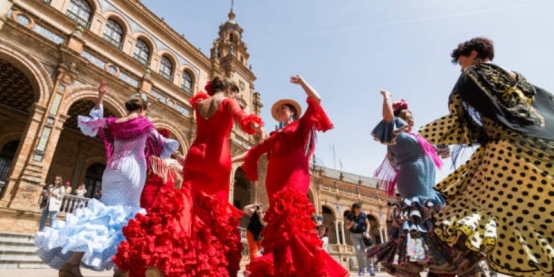
When it comes to big festivals, Rio Carnival stands out. Held every year before Lent, this festival turns the streets of Rio de Janeiro, Brazil, into a colourful stage. Samba schools work all year to create costumes and floats that amaze the crowd. Dancers, singers, and drummers fill the streets day and night. The main event is the Samba Parade at the Sambadrome. Millions travel from different countries to see the show, boosting local tourism and business.
Brazil’s Carnival also helps the local economy. According to Statista, the event brings in billions of dollars each year. Many hotels, restaurants, and small businesses rely on the festival season to sustain their operations throughout the year.
Diwali Festival of Lights
Diwali, also known as the Festival of Lights, is one of India's most significant celebrations. Families decorate their homes with oil lamps and candles. Fireworks light up the night sky. The festival marks the victory of light over darkness and good over evil. People clean their homes, exchange gifts, and prepare sweets. Many cities glow with thousands of lights during this time.
The festival also boosts shopping. People buy gold, clothes, sweets, and gifts for loved ones. Many travellers choose to visit India during Diwali to see the vibrant decorations and join in the joyful atmosphere.
Oktoberfest in Germany
Oktoberfest is the world's largest beer festival. It originated in Munich, Germany, and now many cities host their versions. The festival began in 1810 to celebrate a royal wedding. Today, it typically runs for about two weeks, from late September to early October. Visitors enjoy traditional Bavarian music, parades, folk dances, and large tents filled with a variety of food and drinks.
Oktoberfest draws millions of people each year, making it one of Germany's most popular tourist attractions. Local businesses, hotels, and restaurants see huge profits during this period. Many visitors book tickets months in advance. Besides beer, the festival also celebrates German culture, cuisine, and traditional attire.
Chinese New Year
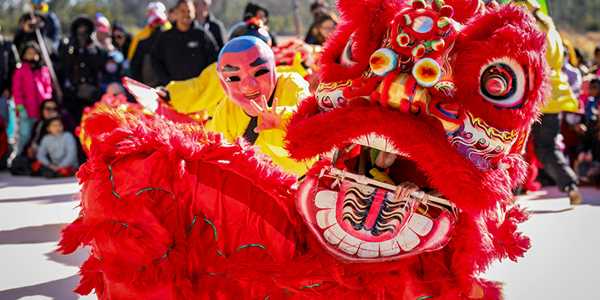
The Chinese New Year, also known as Lunar New Year or Spring Festival, is China's most significant holiday. Families travel long distances to gather for family dinners. Red lanterns, dragon dances, and fireworks are familiar sights. This festival marks the start of the lunar new year and is rich with tradition and symbolism.
Cities like Beijing and Hong Kong hold massive street parades and fireworks shows. Many people believe that the celebrations bring good luck and happiness for the year ahead. According to National Geographic, more than one billion people travel during this time, making it the world’s largest annual human migration.
Holi Festival in India and Beyond
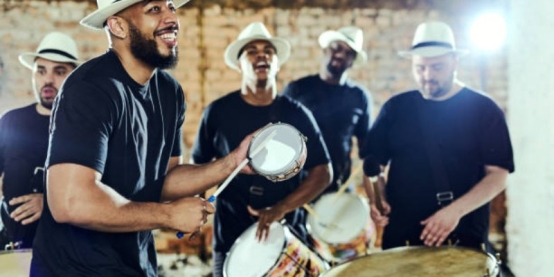
Holi, the Festival of Colours, is another famous celebration from India. People throw coloured powder and water at one another. It marks the end of winter and the start of spring. Holi brings people together, breaking social barriers and spreading joy.
Many countries outside India now host their own Holi festivals, attracting travellers who want to experience the fun. The bright colours and street parties make it a top choice for many seeking a unique cultural experience.
La Tomatina in Spain
La Tomatina takes place annually in Buñol, Spain, in August. It is one of the messiest festivals in the world. Thousands gather to throw ripe tomatoes at each other. The streets turn red as people laugh and play in the tomato pulp. The festival started as a local food fight and grew into an international event.
La Tomatina draws tourists who spend on hotels, food, and local tours. It gives the small town a big boost each year. People visiting Spain in August often plan their trip to join this fun event.
Day of the Dead in Mexico
Day of the Dead, or Día de los Muertos, is a colourful festival in Mexico that honours the dead. Families build altars and decorate them with flowers, candles, and the favourite foods of loved ones who have passed away. Parades and street parties fill cities like Oaxaca and Mexico City.
Many travellers visit Mexico during this time to see the stunning face paint, costumes, and handmade crafts. The festival teaches respect for ancestors and reminds people to celebrate life.
Edinburgh Festival Fringe
Edinburgh, Scotland, becomes the centre of art and theatre every August during the Edinburgh Festival Fringe. It is the world's largest arts festival. Thousands of performers from around the world come to showcase comedy, dance, theatre, and music. Street performers fill every corner of the city.
This festival is ideal for travellers who appreciate art and live performances. Hotels fill up fast, so booking early is essential. Many small local businesses and artists benefit from the crowds that come every year.
Running of the Bulls in Spain
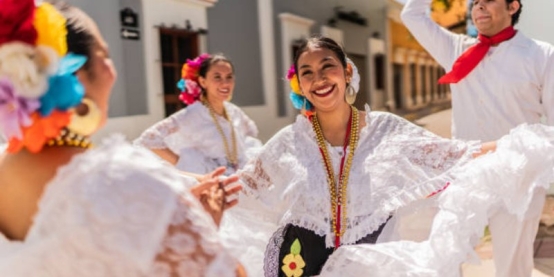
Pamplona, Spain, is famous for the Running of the Bulls, held every July during the San Fermín festival. Brave runners sprint in front of bulls through the city streets. This tradition has deep roots in Spanish history.
Visitors also enjoy traditional music, dancing, and spectacular fireworks displays. Although the event is considered risky, it attracts people from all over the world. Local businesses, hotels, and restaurants see big profits during this festival.
Tips for Experiencing Cultural Festivals
Travellers planning to attend cultural festivals should plan. Many festivals attract huge crowds, so booking flights and hotels in advance is advisable. Respecting local customs and traditions is very important. Wear proper clothing, follow safety guidelines, and heed local advice. Some festivals require tickets, so be sure to check the official sites before booking.
Festivals give a chance to try local food and support small businesses. Travellers should also consider the impact of tourism on regional communities. Be respectful and mindful of the environment when attending.
Keeping Culture Alive
Cultural festivals are not just fun. They help protect traditions for future generations. They help local economies grow and bring people together from all walks of life. Experiencing these festivals can open minds and teach respect for other cultures.
Travelling for festivals can be one of the best ways to gain a deeper understanding of the world. From music and dance to food and parades, every festival tells a unique story.